
Enhancing Player Development: The Role of Individual Feedback in Youth Soccer


In the dynamic world of youth soccer, where young athletes are constantly growing and evolving, the importance of individual feedback cannot be overstated. Personalized feedback plays a crucial role in enhancing player development, helping young athletes recognize their strengths and areas for improvement.
The Importance of Individual Feedback
Individual feedback provides players with specific insights that are tailored to their unique abilities and challenges. Unlike generic team advice, personalized feedback focuses on the individual, allowing for a more targeted approach to development. This not only boosts confidence but also motivates players to improve.
By understanding their personal strengths and weaknesses, young athletes can set achievable goals and work towards them with greater clarity. This focus on personal development encourages a proactive attitude, fostering resilience and a growth mindset.
Types of Feedback
Feedback can be categorized into several types, each serving a distinct purpose in player development:
- Technical Feedback: Focuses on the player's skills and techniques, such as dribbling, passing, and shooting.
- Tactical Feedback: Involves understanding game strategies and positioning on the field.
- Mental Feedback: Addresses the psychological aspects of the game, including focus, resilience, and teamwork.
Effective Feedback Delivery
The way feedback is delivered significantly impacts its effectiveness. Coaches should aim to provide constructive, positive, and actionable feedback. Here are some strategies:
- Be Specific: General comments like "good job" are less effective than specific observations such as "your passing accuracy has improved."
- Be Timely: Deliver feedback soon after the event to ensure it remains relevant and impactful.
- Encourage Self-Reflection: Ask players to assess their performance and identify areas for improvement.
The Role of Technology
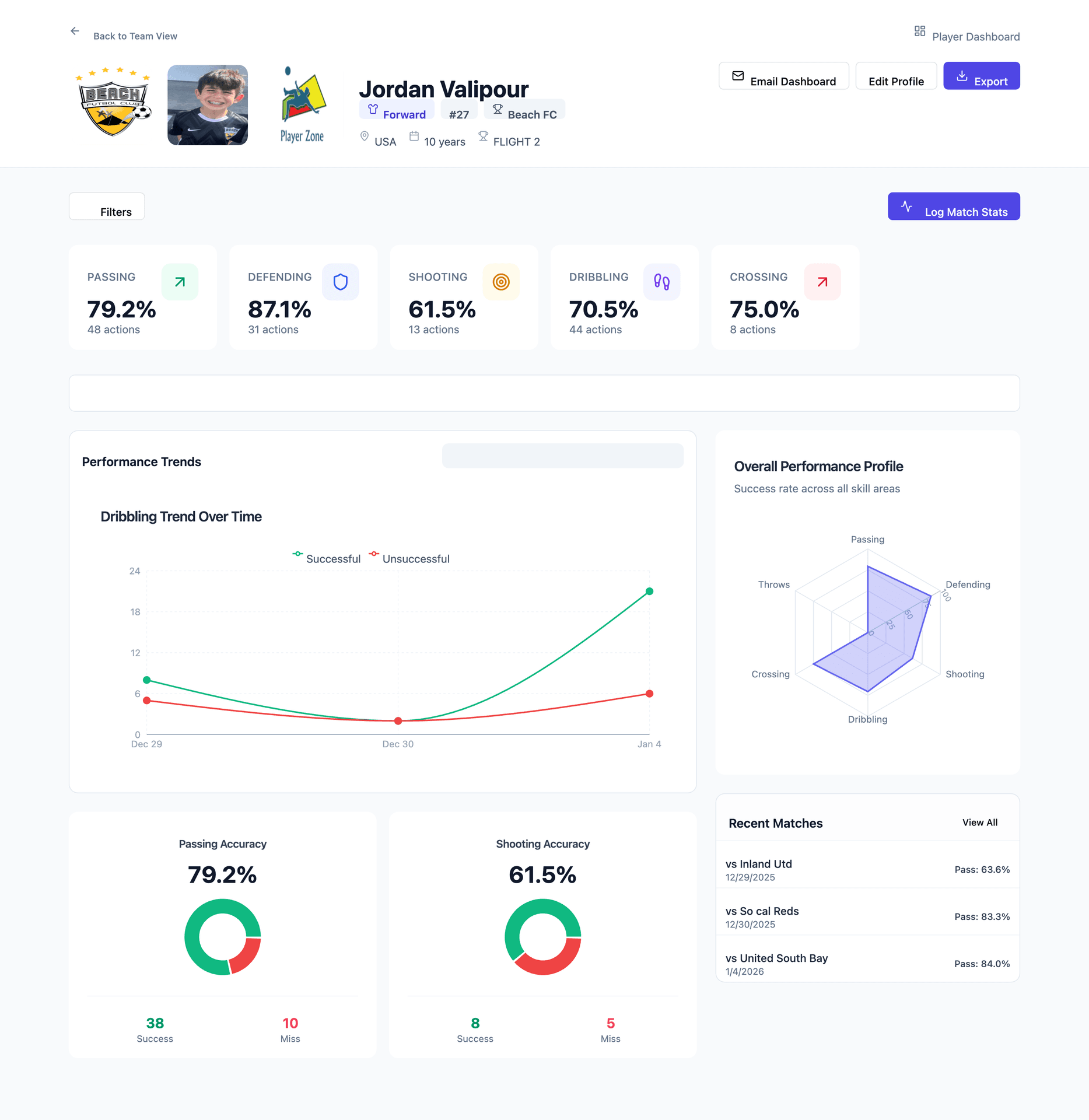
Advancements in technology have introduced new tools for providing feedback. Video analysis, for instance, allows players to visually review their performances, offering a powerful way to understand and correct mistakes. Apps and software can also track progress, providing data-driven insights into development.
Technology not only makes feedback more accessible but also more engaging, as players can visualize their improvements over time. This integration of tech tools into coaching methods is revolutionizing player development, making it more interactive and effective.

Building a Feedback Culture
Creating a culture that values feedback is essential for sustained player development. Encouraging open communication between players and coaches fosters trust and mutual respect. Coaches should model a learning attitude, showing that feedback is an opportunity for growth, not criticism.
When players see feedback as a positive part of their soccer journey, they are more likely to embrace it, leading to continuous improvement and a stronger, more cohesive team.