
Comparing Belgian and USA Youth Soccer Development Strategies


Introduction to Youth Soccer Development
Youth soccer development is a critical component in shaping the future of the sport. Two countries that have garnered attention for their distinct approaches are Belgium and the USA. Each has its unique strategies, shaped by cultural, economic, and historical contexts. This post explores how these differences impact the growth and success of young players.
Belgium's Golden Generation
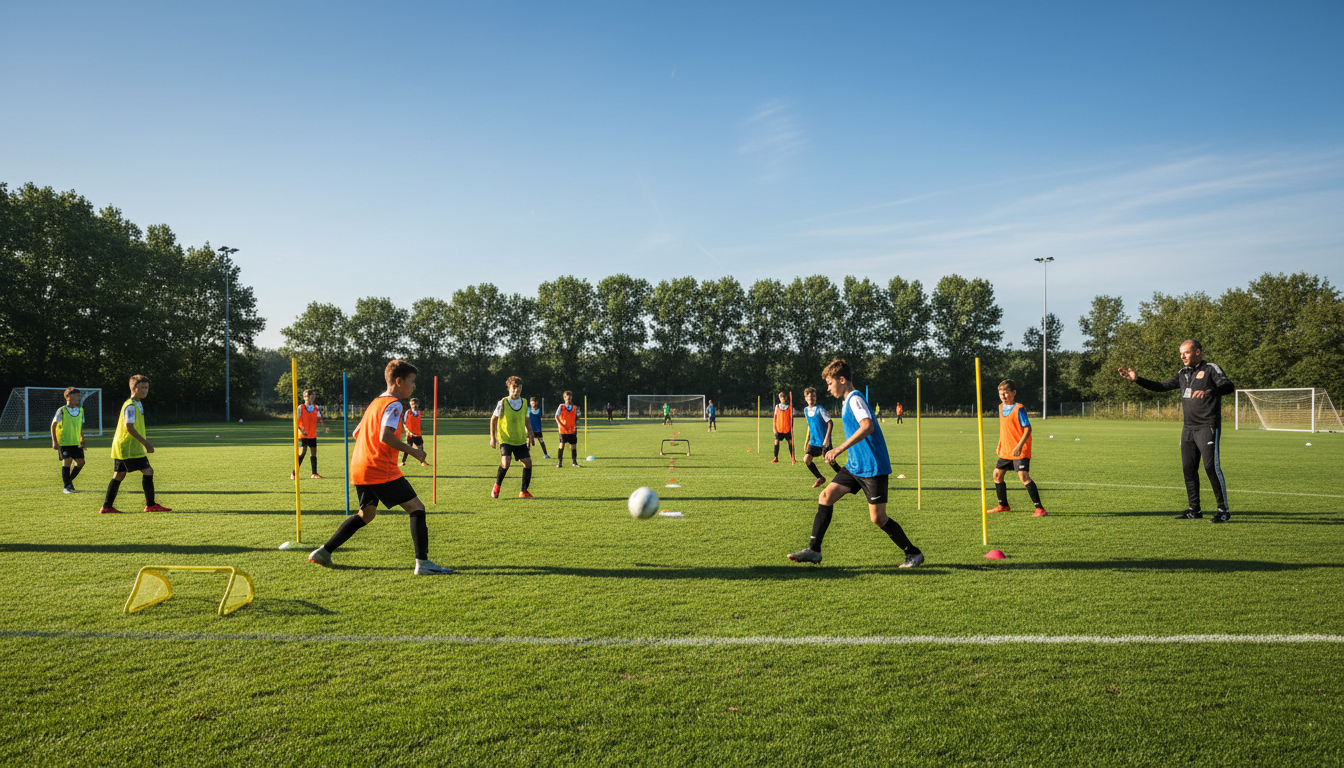
Belgium's recent success on the international stage is no accident. The country's youth development strategy is often credited for creating a "Golden Generation" of players. This strategy emphasizes technical skills, creativity, and intelligence on the field. The Belgian Football Association revamped its youth training programs in the early 2000s, focusing on small-sided games for younger players. This approach encourages more touches on the ball, fostering better decision-making and ball control.
Focus on Individual Growth
Belgium places a strong emphasis on individual player development rather than team success at early ages. Coaches are trained to prioritize personal skills and creativity, allowing young players to express themselves. This philosophy helps nurture well-rounded players who can adapt to various playing styles and positions.
The USA's Emphasis on Athletics
In contrast, the USA has traditionally emphasized athleticism and physicality in its youth soccer programs. The American system often prioritizes competitive matches and physical training, which can sometimes overshadow technical skills development. However, recent shifts are beginning to change this landscape, with more focus now being placed on technique and tactical understanding.

Structured Pathways and Opportunities
The USA offers a structured pathway with numerous opportunities for young players, including college scholarships and a well-established league system. These systems provide a clear route for talent development, although they can sometimes limit early creative play due to the pressure of competition and results.
Comparative Advantages and Challenges
Both countries have their strengths and weaknesses in youth development. Belgium's approach produces technically gifted players, but the smaller pool of talent can be a limitation. On the other hand, the USA has a vast pool of athletes and a strong infrastructure, but the focus on immediate results can hinder long-term player development.

Recent Changes and Innovations
Both nations are continuously evolving their strategies. Belgium is working on maintaining its high standards despite the growing expectations, while the USA is increasingly embracing European-style training methodologies. This includes adopting small-sided games and focusing more on developing soccer IQ.
Conclusion
The comparison between Belgian and USA youth soccer development strategies highlights the diverse paths to nurturing future talent. Each country's approach reflects its unique culture and resources, offering valuable insights for other nations looking to enhance their youth programs. As both continue to adapt and innovate, the future of soccer looks promising on both sides of the Atlantic.